Keynotes on Sensemaking, Science Education, and AI
Interactive talks that put audiences inside the learning, then help them see what made the thinking possible.
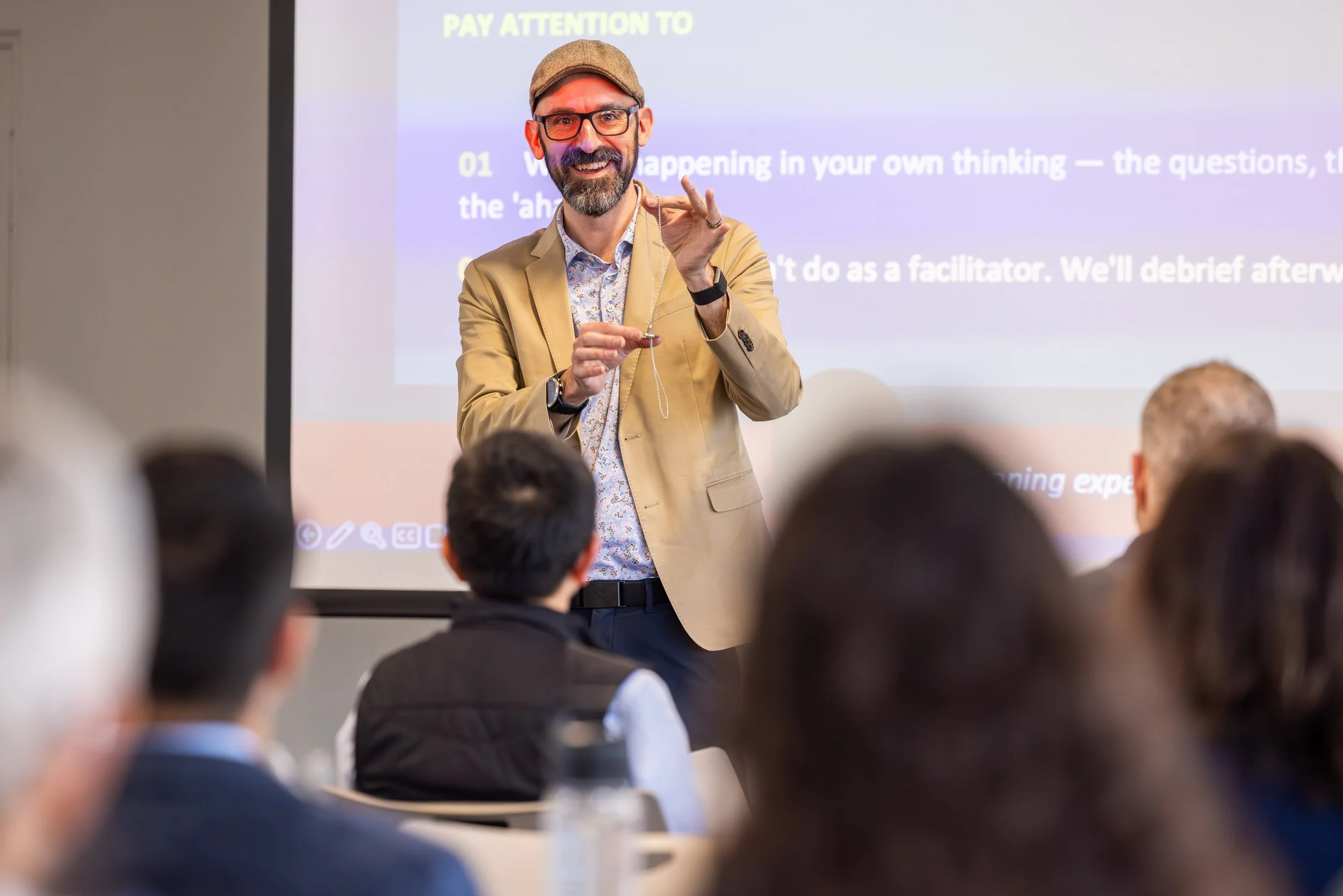
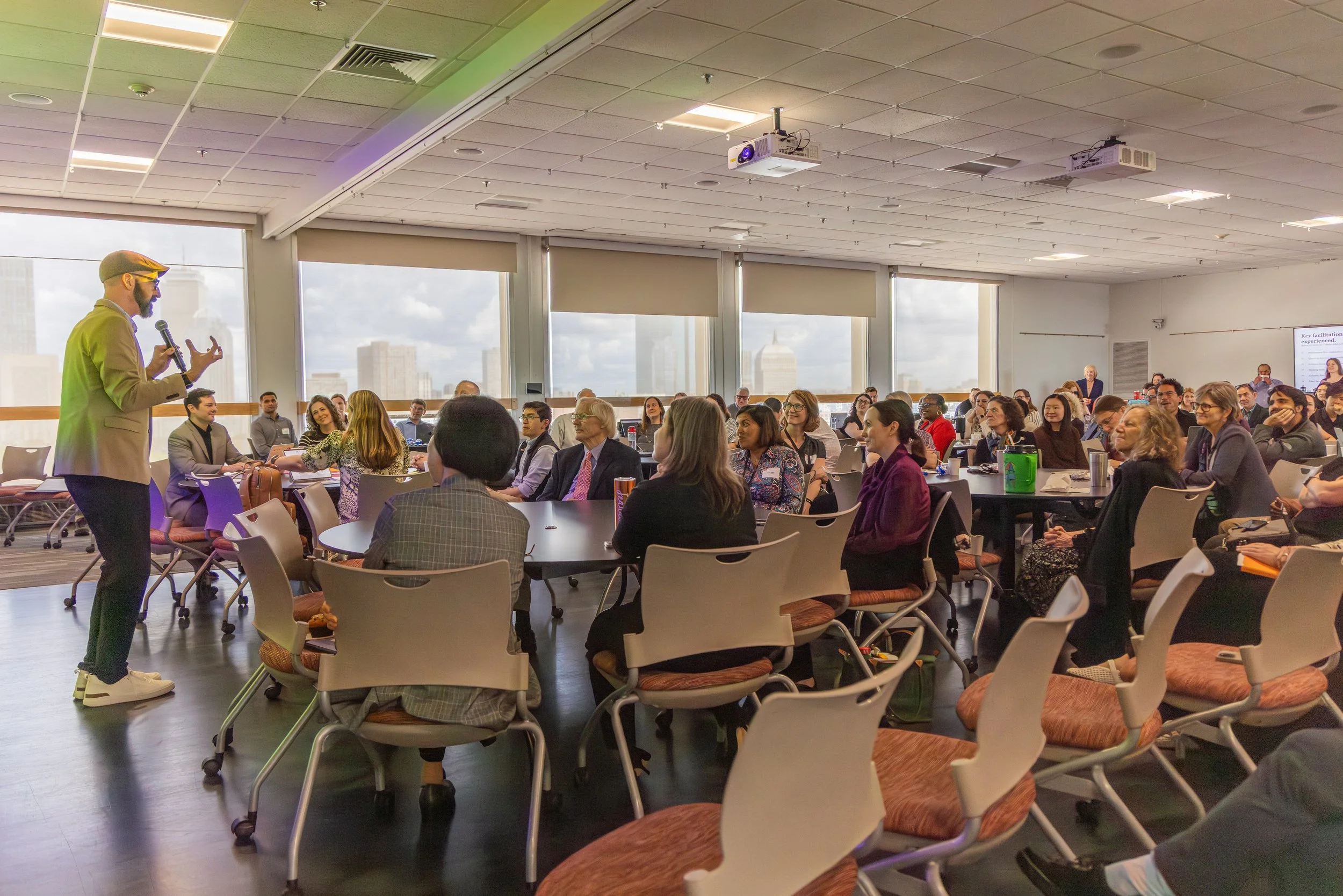
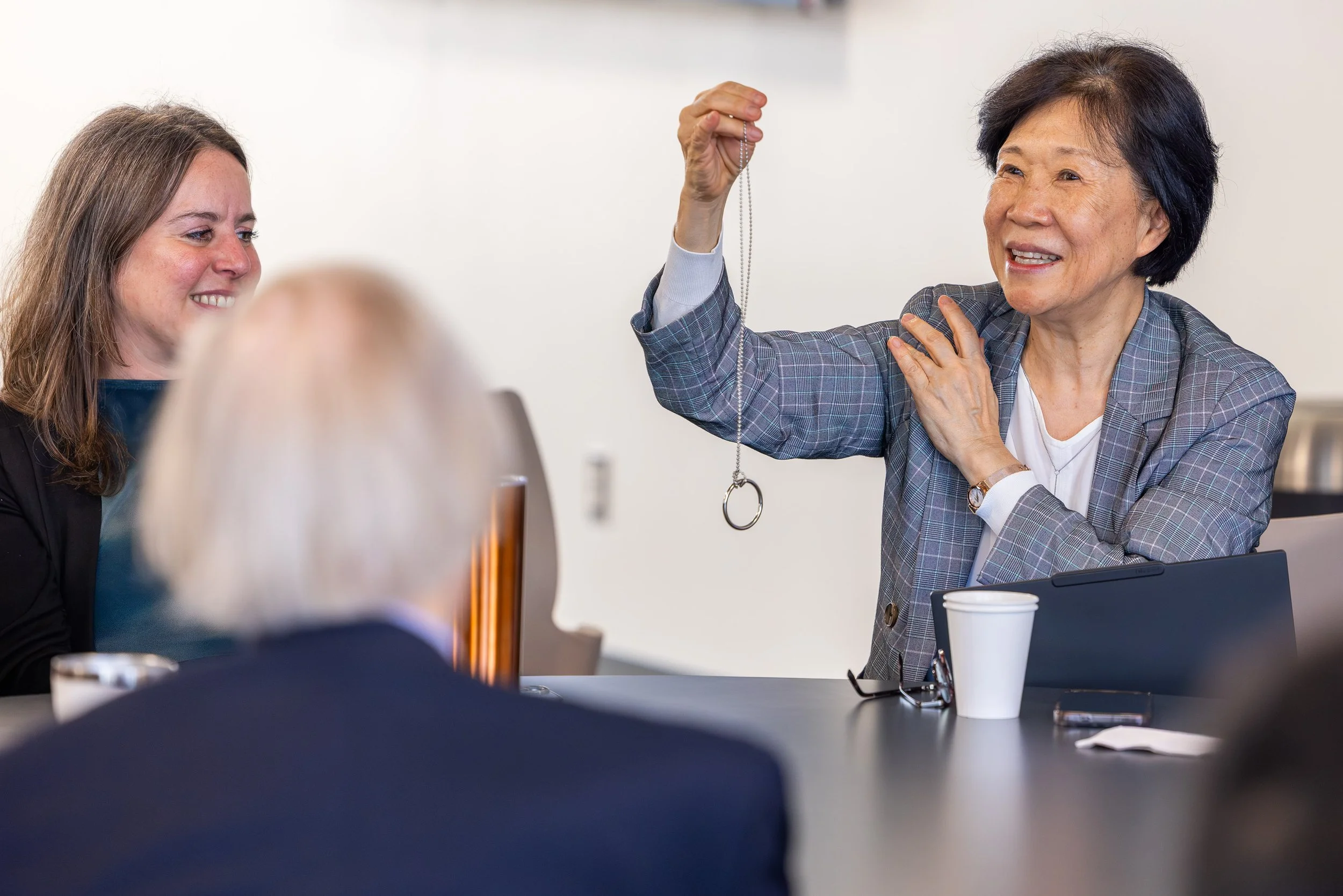
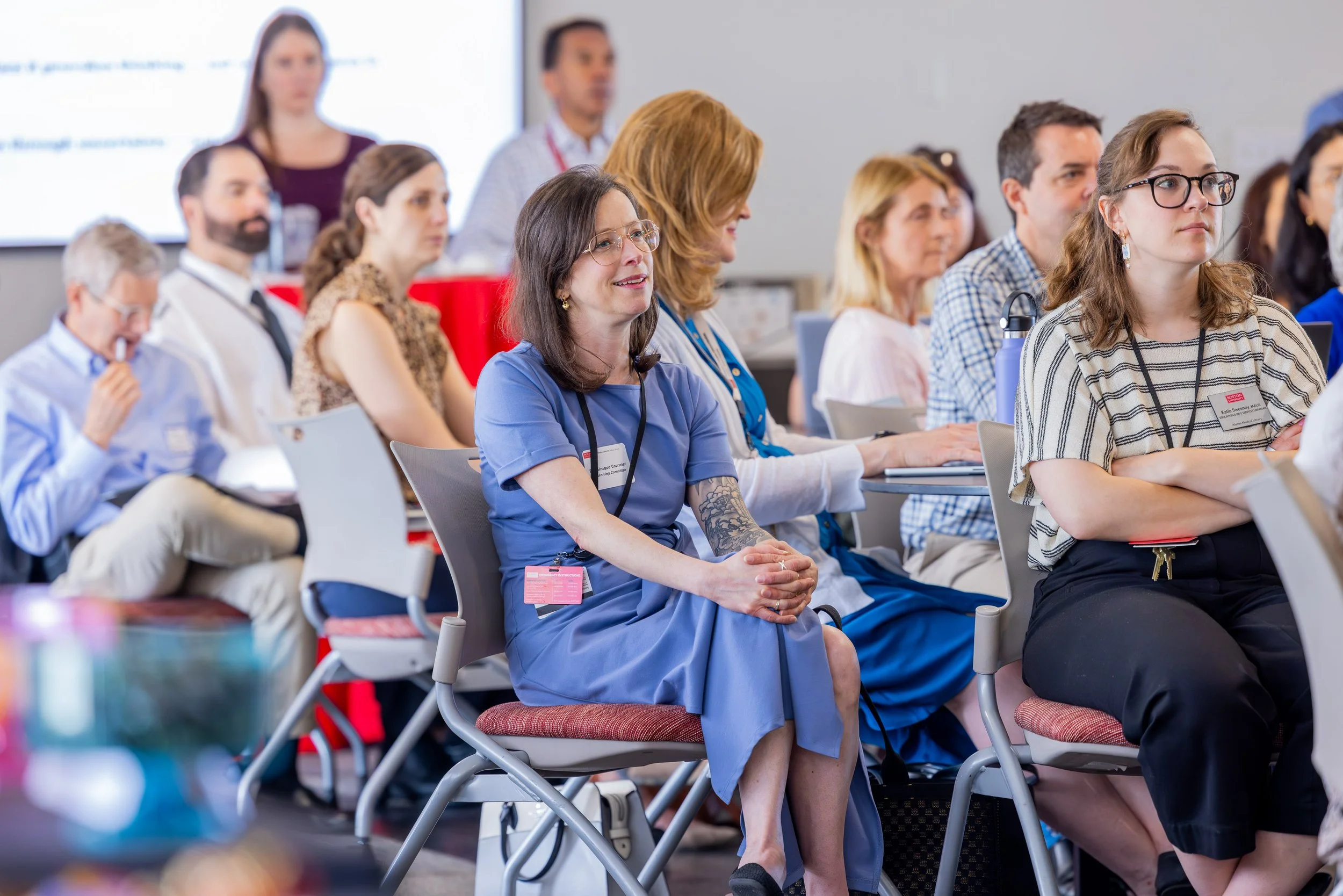
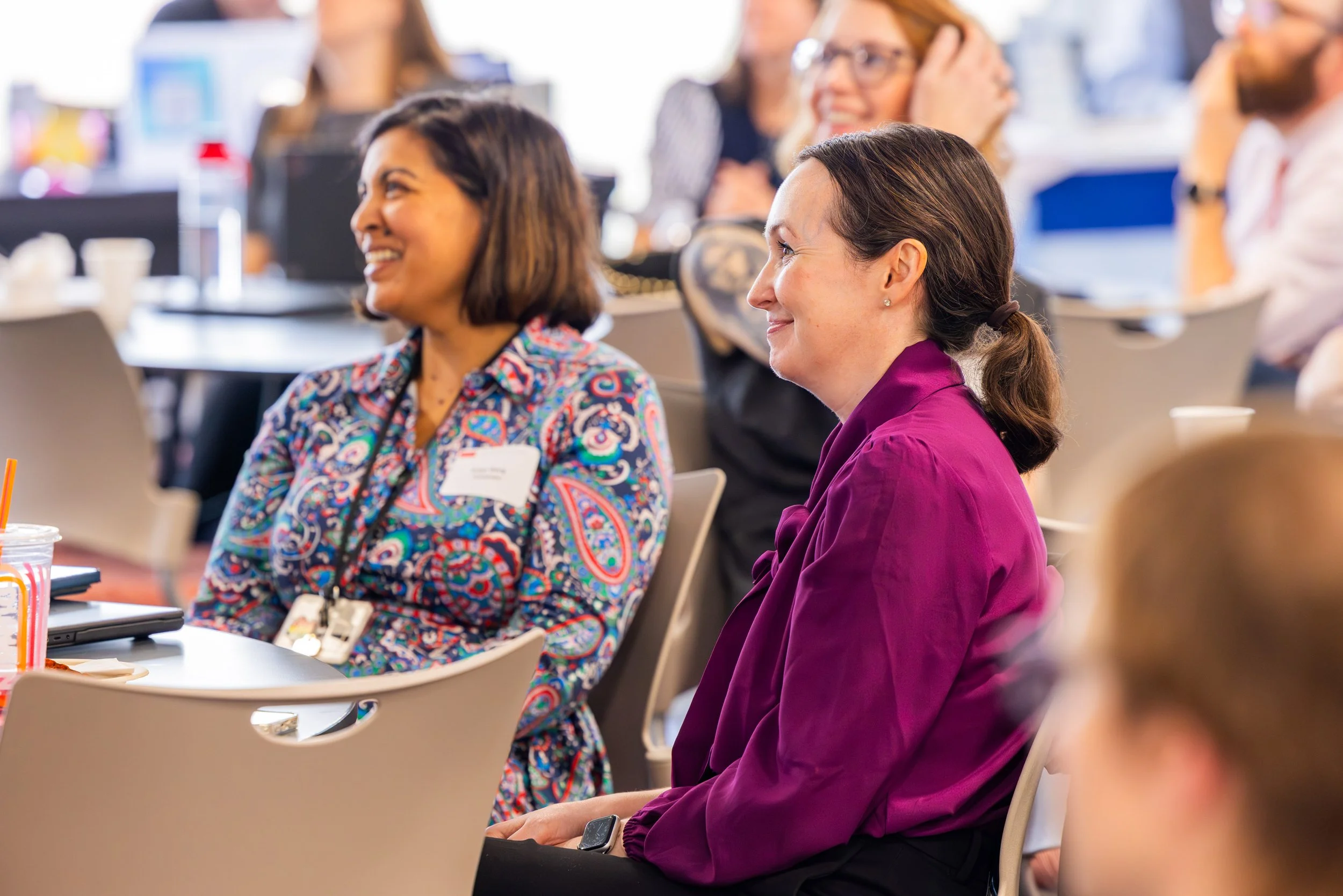
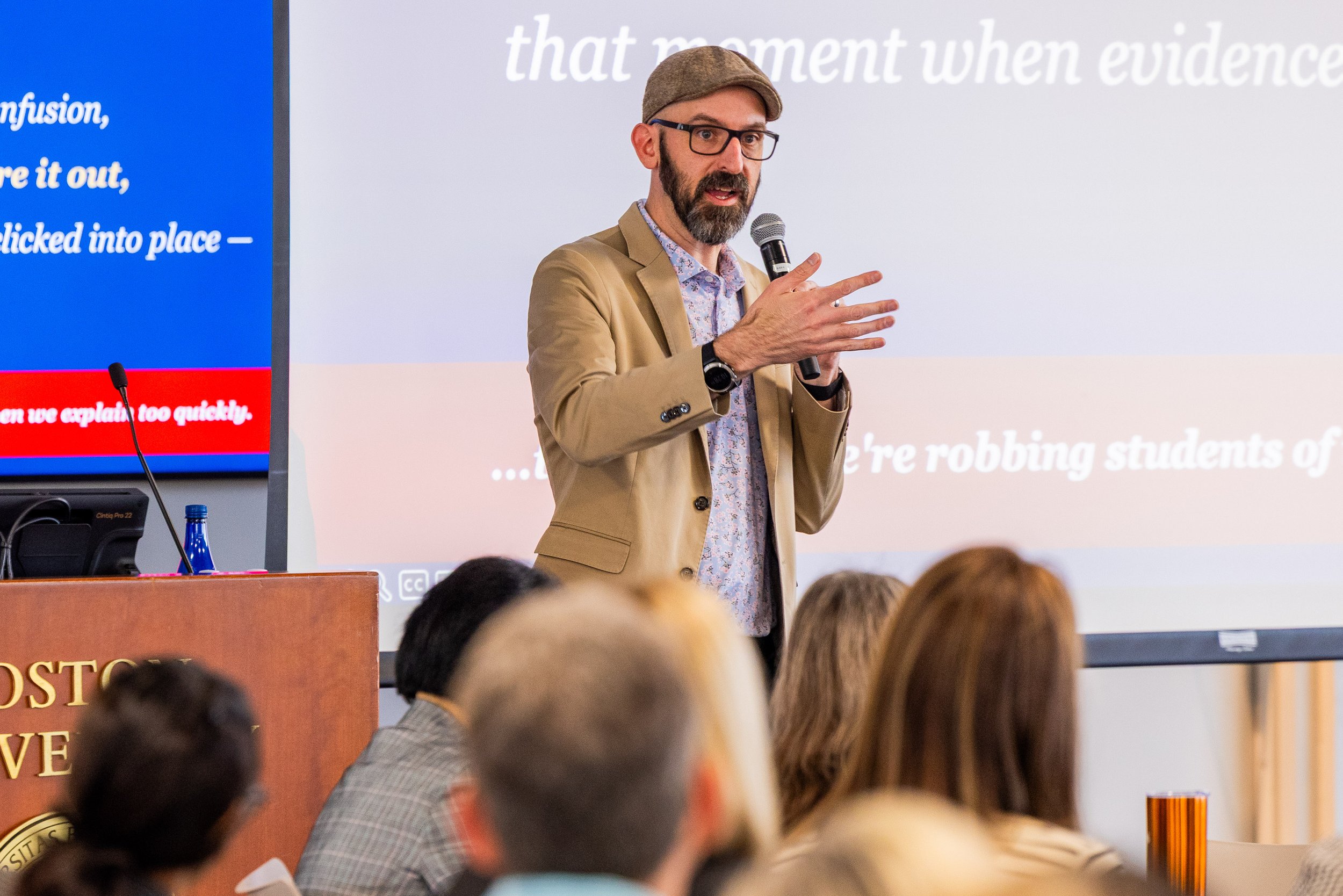
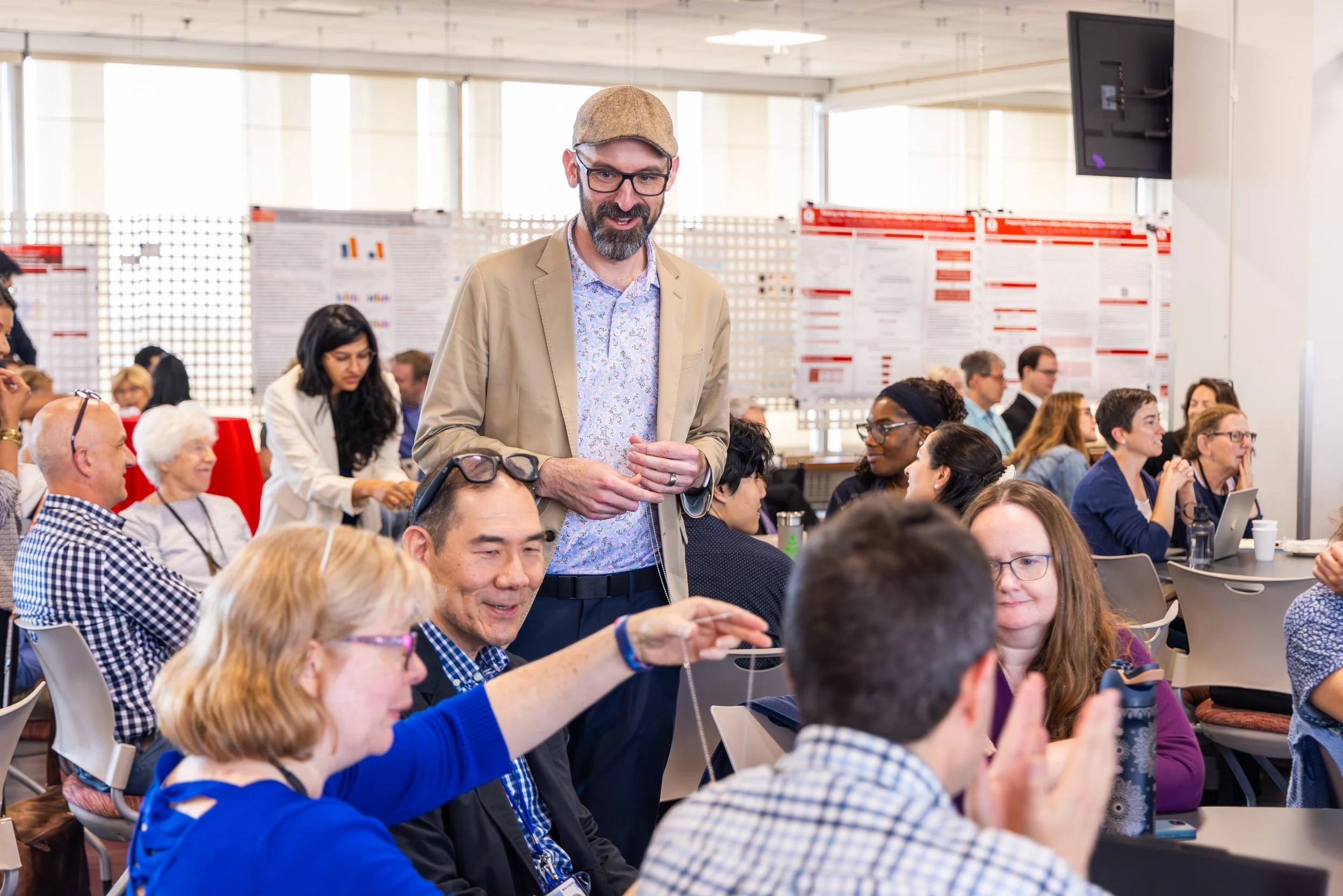
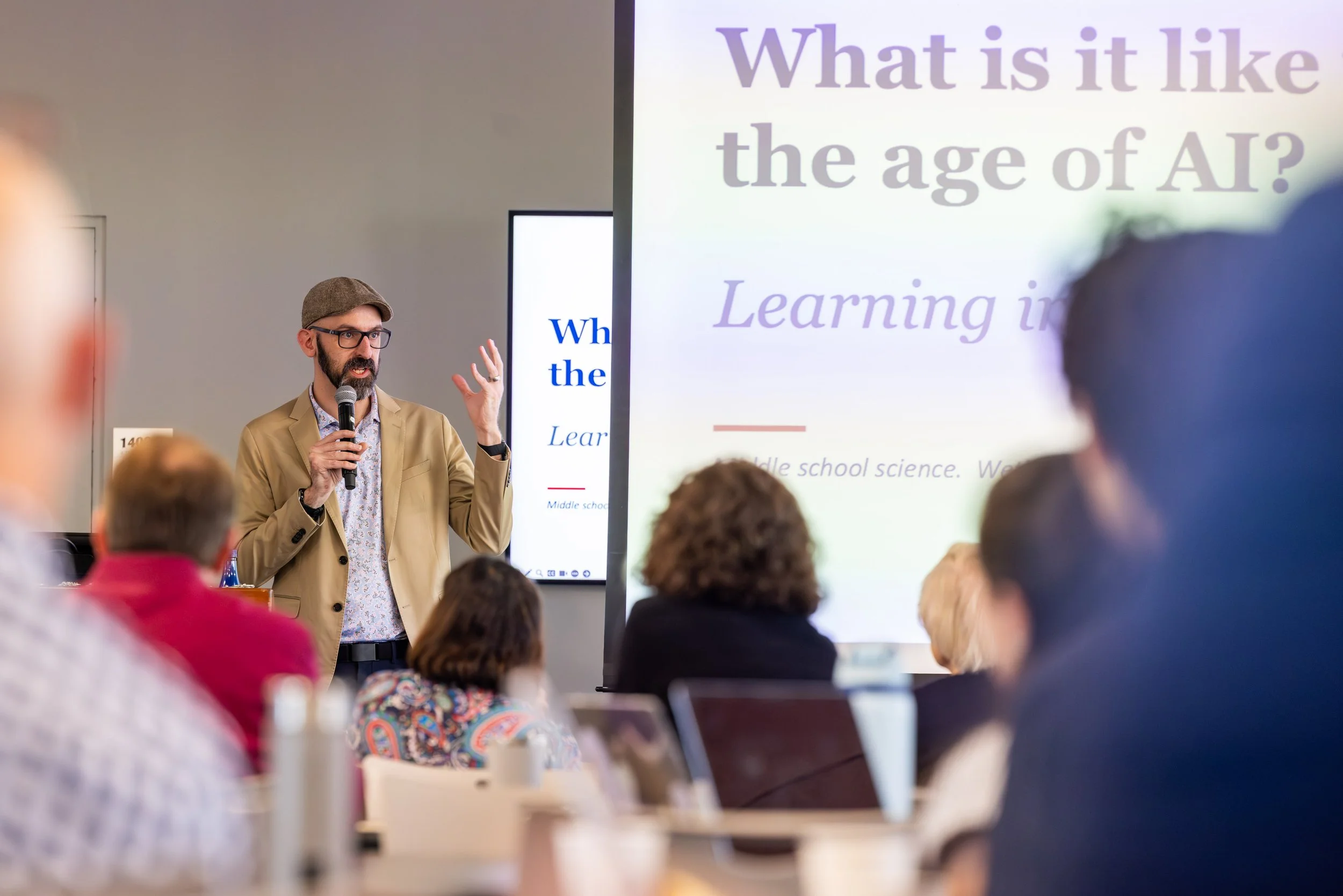
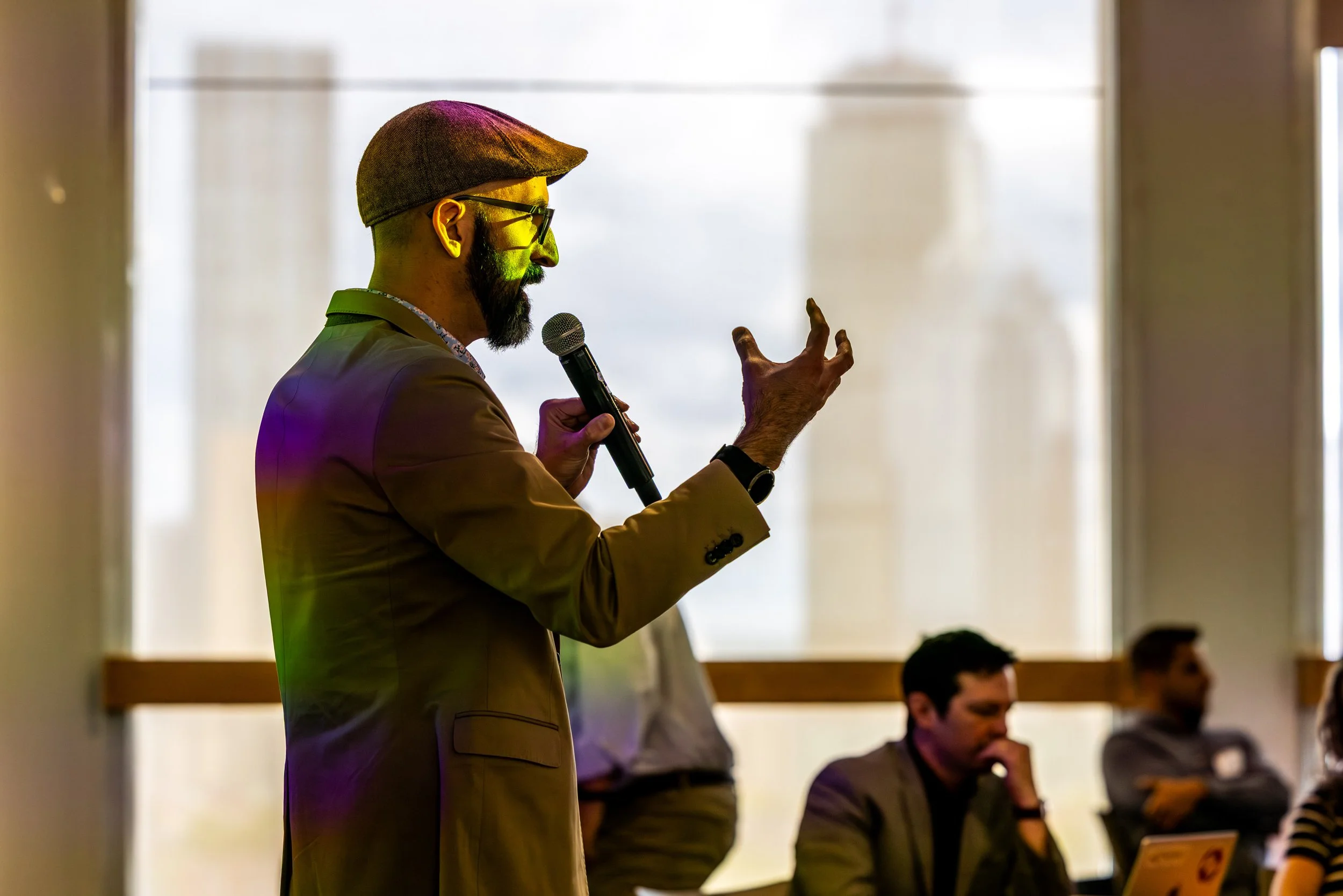
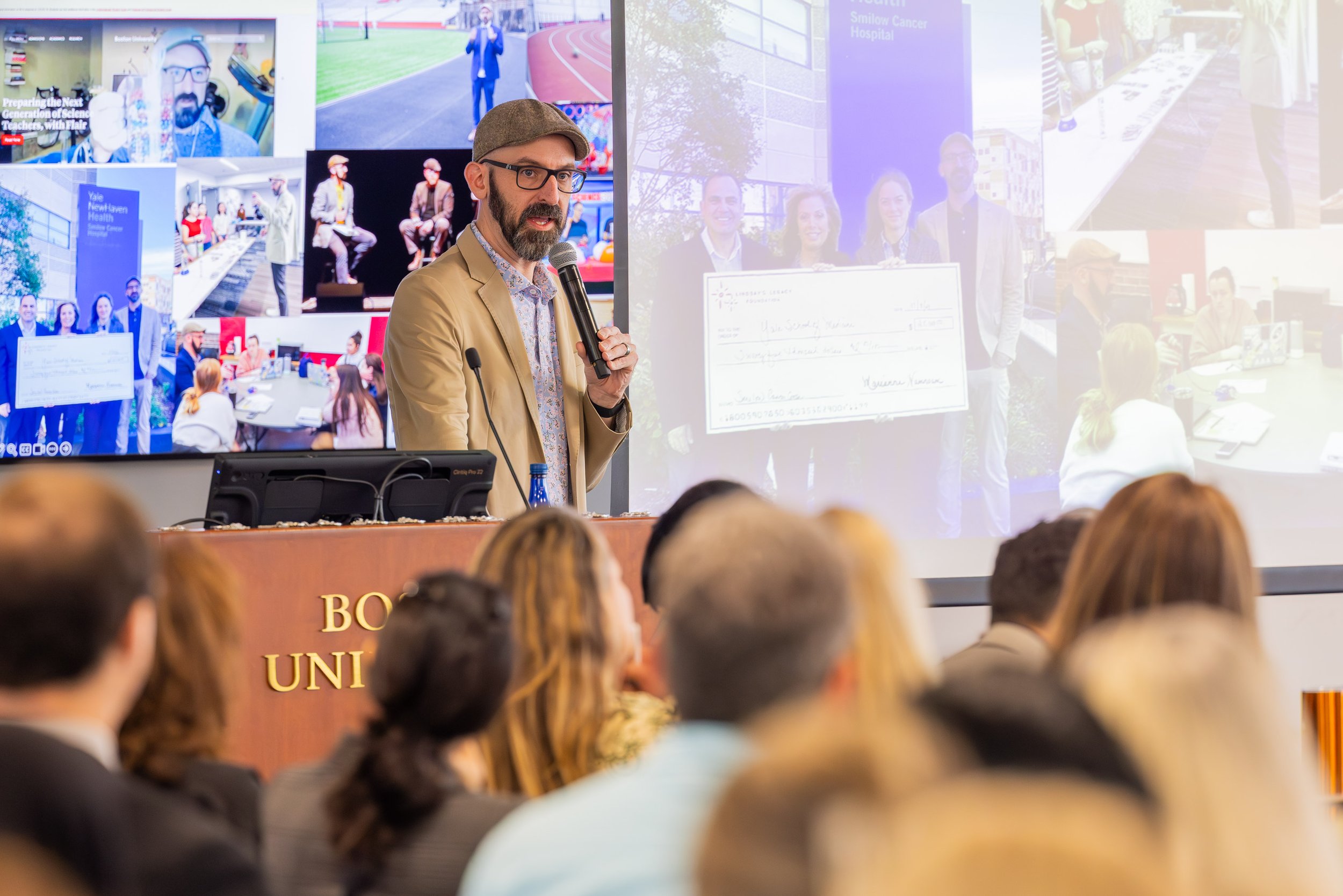
TJ’s keynotes put the audience to work. Each one builds in a short investigation, then uses what happened in the room to show what sensemaking asks of the people who teach and lead.
Selected speaking and invited engagements
Arizona Science Teachers Association · Rhode Island Science Teachers Association · Idaho Department of Education · Boston University Medical Campus · Washington OSPI · Massachusetts Association of Science Teachers · Chester County Intermediate Unit · University of Cambridge
Signature Talks
Making Sense of Sensemaking: You Keep What You Had to Figure Out
For K–12 science teachers, science conferences, and district professional learning
Students hold on to the ideas they had to work for. In this keynote, the audience works through a hands-on investigation, gets stuck in the useful way, and then takes the experience apart to see what made it work: the phenomenon that started it, the evidence that moved it, and the talk that let ideas get revised.
Drawing on Making Sense of Sensemaking, TJ shows how teachers can design for that kind of struggle on purpose and keep students in it long enough for the understanding to become their own.
Audience members leave with:
A clearer way to distinguish activity from sensemaking
Design moves that preserve productive struggle
Practical strategies for using phenomena, evidence, and student talk
Leading the Shift: From Knowledge Delivery to Student Sensemaking
For principals, district leaders, science coordinators, and leadership conferences
When a science department moves from delivering knowledge to facilitating sensemaking, experienced teachers are being asked to learn new ways of working. Leaders play an important role in whether that process produces growth.
Built around curiosity, evidence, and collaboration, and anchored in the same kind of investigation teachers will lead with students, this keynote gives leaders tools they can use the next week.
Audience members leave with:
Classroom look-fors for sensemaking-centered science instruction
A teacher self-assessment for examining practice
PLC structures organized around phenomena and student thinking
Who’s Doing the Thinking? Protecting Real Learning in a World of Easy Answers
For schools and districts setting direction on AI, higher education, and AI and education conferences
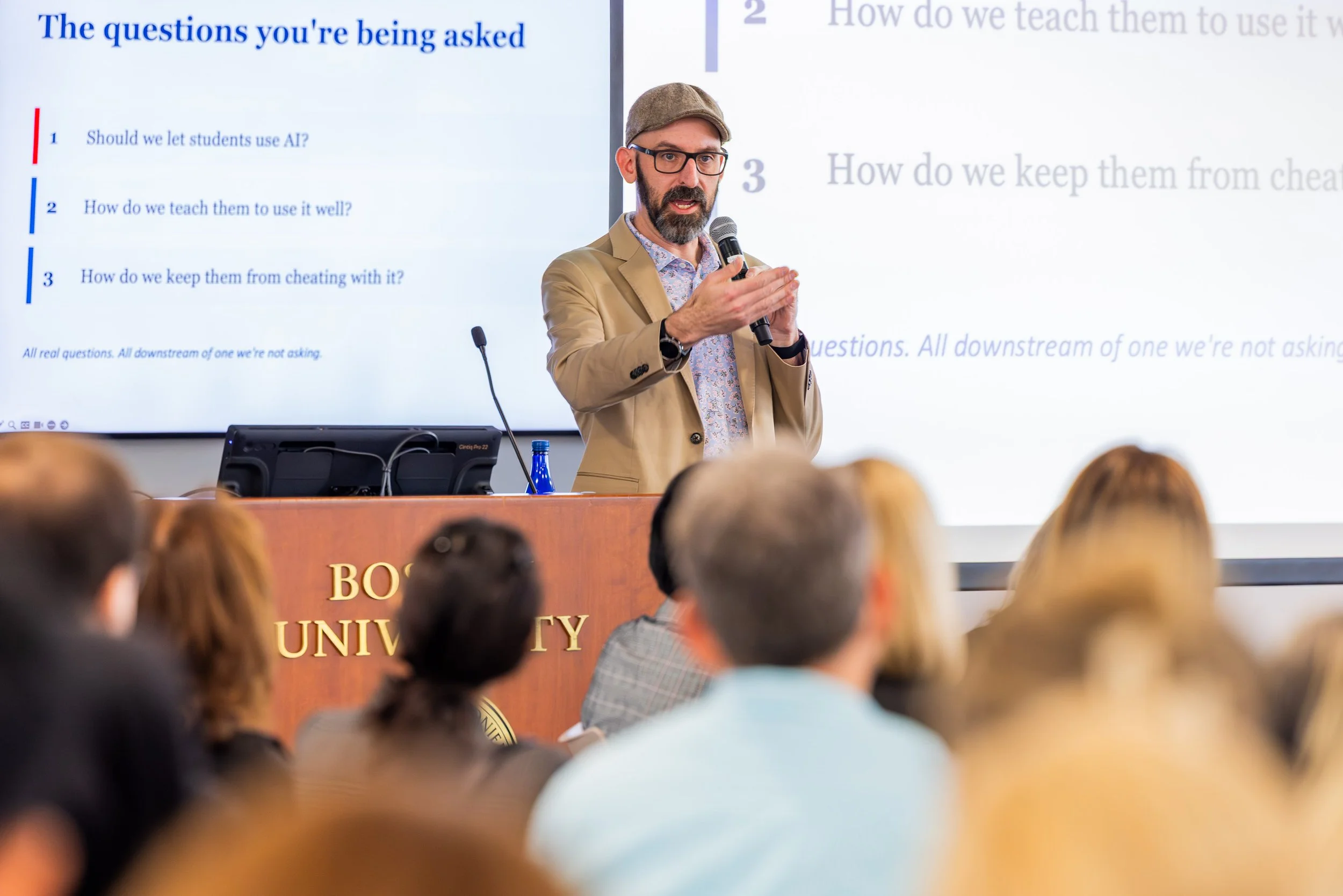
When a tool can produce the answer in seconds, educators have to decide which parts of the thinking belong to the learner and then protect them on purpose.
TJ comes at the question as a builder and researcher. He designed the NGSS AI Coach used by educators across the country and directs Boston University’s graduate programs in AI and Education. Drawing on his forthcoming book from Teachers College Press, the talk moves past both hype and alarm toward design decisions schools can make now.
Audience members leave with:
A framework for deciding which thinking should remain with the learner
Ways to distinguish AI that supports learning from AI that replaces it
Design principles for instruction, assessment, and AI implementation
Every keynote is adapted to the audience, event goals, and local context while preserving the core experience and learning outcomes.
Selected Keynotes & Invited Engagements
2027
National Science Education Leadership Association Annual Conference, Boston (March 17) · Keynote, “Who’s Doing the Thinking? Charting the Course for Science Learning”
Massachusetts DESE, MAST & MSELA Statewide Book Study of Making Sense of Sensemaking (March) · Author Q&A
Connecticut Science Teachers Association Conference (October) · Keynote
2026
Arizona Science Teachers Association Annual Conference, Mesa (December) · Featured Keynote
Rhode Island Science Teachers Association Annual Conference, Providence · Keynote & AI Session
Massachusetts Association of Science Teachers, Marlborough · Invited Half-Day Workshop
Washington OSPI, Science Speaks WA · Invited Speaker
Idaho Annual STEM Conference, Idaho Department of Education · Keynote & Grade-Band Sessions
Chester County Intermediate Unit STEM Fest, Pennsylvania · Keynote
Boston University John McCahan Medical Campus Education Day · Keynote, “Learning Endures, Tools Evolve”
2025
Massachusetts Science Education Leadership Association Annual Conference · Keynote, “Leading the Shift”
University of Cambridge, Workshop on Educational Dialogue Alongside AI · Presentation
2021
Nebraska Association of Teachers of Science · Keynote
Additional research and professional presentations include ISDDE, ESERA, NARST, NSTA, NSELA, and AAC&U.
Ways to Work Together
Keynotes, 40 to 90 minutes
Concurrent sessions and half- or full-day workshops
Virtual talks and webinar series
Semester- or year-long district partnerships with on-site and virtual coaching
Book studies for Making Sense of Sensemaking
About TJ
TJ McKenna, PhD, is a Clinical Assistant Professor at Boston University Wheelock College of Education & Human Development, where he directs the Center for STEM Professional Learning at Scale and leads the graduate programs in AI and Education.
He is the author of Making Sense of Sensemaking and the forthcoming Who’s Doing the Thinking? Protecting Real Learning in a World of Easy Answers, both from Teachers College Press. He created NGSS Phenomena, whose resources have drawn more than 5 million views from educators in more than 100 countries, and the NGSS AI Coach.
TJ directs NGSX, a national professional learning program that has reached more than 17,000 educators across 29 states. He is an ISDDE Fellow and received Boston University’s 2026 Gerald and Deanne Gitner Family Award for Innovation in Teaching with Technology. Earlier in his career, he spent a decade doing Science Sunday segments on WFSB (CBS) and moderated An Evening with the MythBusters at the University of Connecticut.
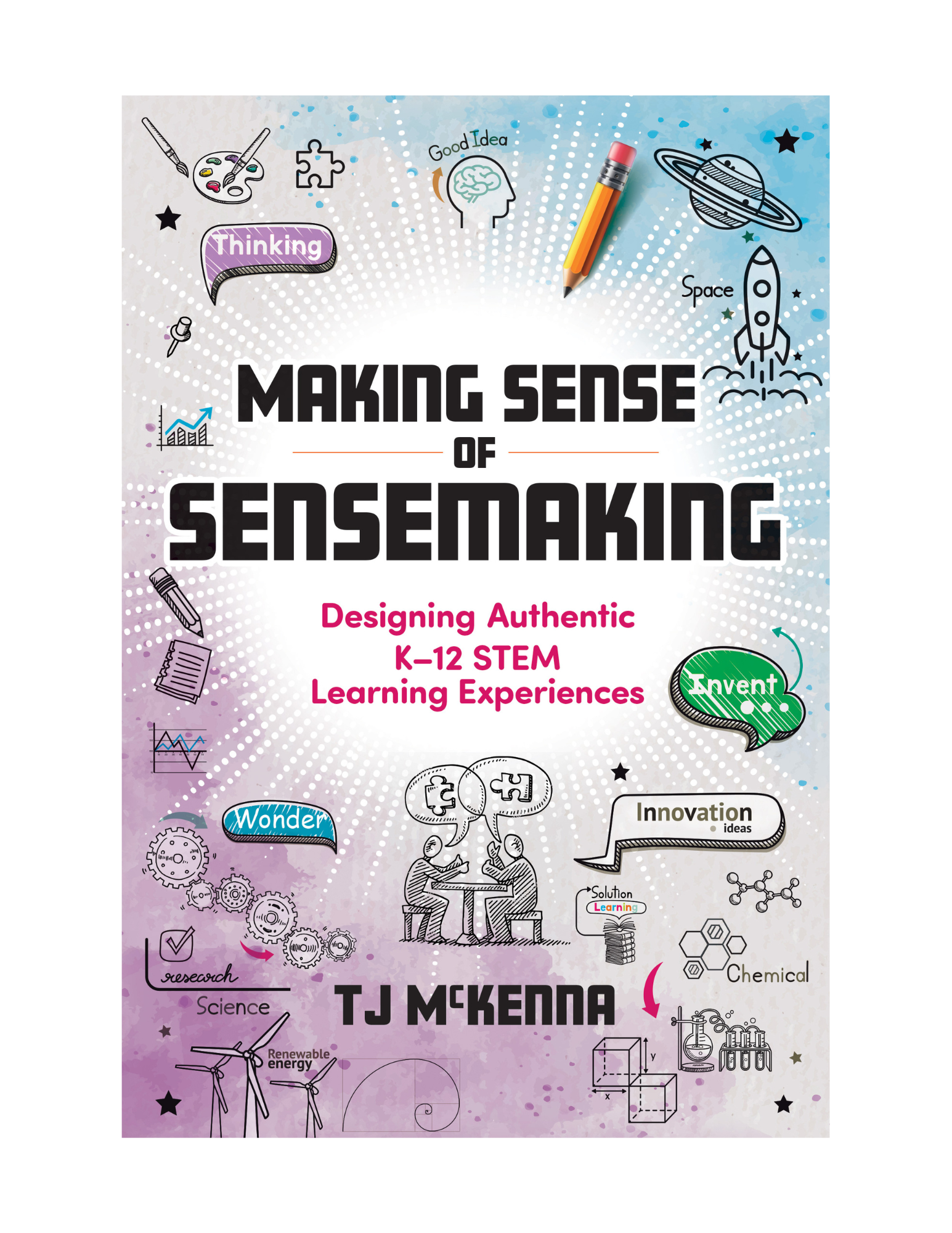
Making Sense of Sensemaking
Designing Authentic K–12 STEM Learning Experiences
How can teachers create science learning experiences in which students genuinely have something to figure out?
Making Sense of Sensemaking connects research on sensemaking with practical strategies for phenomena, student ideas, evidence, classroom discourse, and the design of authentic STEM learning experiences.
Buy the Book Teachers College Press | NSTA Press
Bring TJ to Your Event
Share a few details about your event and TJ will follow up by email.
Name
Email
Organization
Event name
Date(s)
Location or virtual
Audience: Who will be there, and approximately how many?
What are you interested in?
Making Sense of Sensemaking
Leading the Shift
Who’s Doing the Thinking?
Workshop or professional learning
Not sure yet
What Experts Say About the Work
“TJ’s friendly, storytelling narratives show how to foster students’ sense of wonder and curiosity about the world.”
Dr. Christina Schwarz
Professor of Science Education, Michigan State University
“McKenna highlights a dynamic system of resources and classroom practices that support those wonderful ‘aha’ moments for students.”
Dr. Mark Windschitl
Professor of Science Education, University of Washington
Author of Ambitious Science Teaching
Praise for Making Sense of Sensemaking: Designing Authentic K–12 STEM Learning Experiences
Synopsis
Making Sense of Sensemaking: Designing Authentic K–12 STEM Learning Experiences dives deep into the art and science of sensemaking—exploring how educators can design authentic and engaging STEM experiences that foster curiosity and critical thinking in students. The book provides actionable frameworks, real-world examples, and strategies for K-12 teachers to create collaborative classrooms where students actively construct knowledge and develop problem-solving skills.
Bridges research and practice with actionable frameworks
Provides concrete strategies for implementing sensemaking in any learning environment
Based on 20 years of classroom experience and research
Endorsed by leading experts in science education
Supports both new and experienced educators
Applicable across formal and informal learning settings
Contact tmckenna@bu.edu

Headshot: Thomas “TJ” McKenna, PhD
Contact Information
Dr. Thomas "TJ" McKenna Email: tmckenna@bu.edu
Location: Boston University Wheelock College of Education & Human Development
Website: BU Wheelock Staff Profile https://www.bu.edu/wheelock/profile/thomas-mckenna/
Social Media: https://www.linkedin.com/in/tjscience/